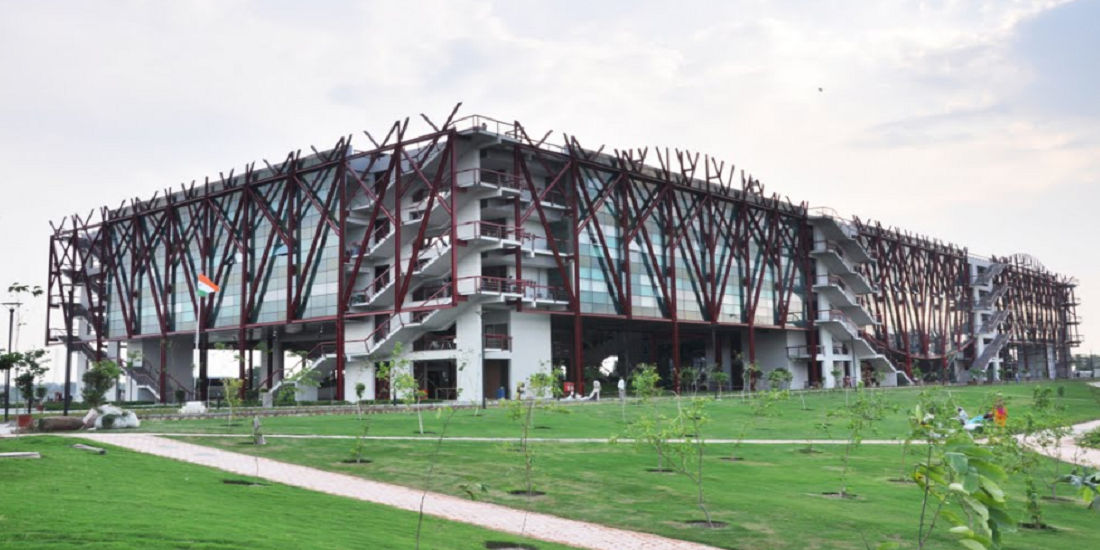
O.P Jindal School of Journalism and Communication Sonepat
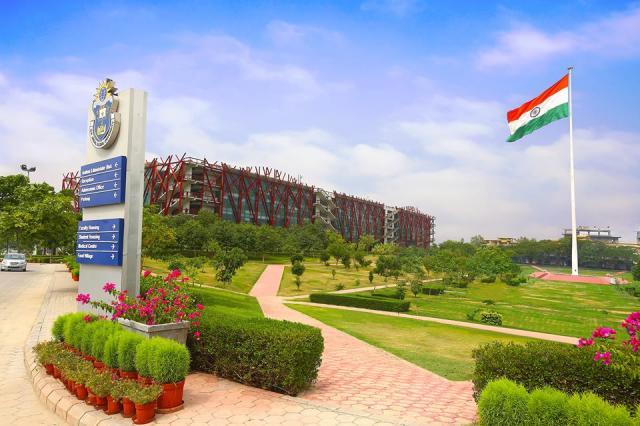
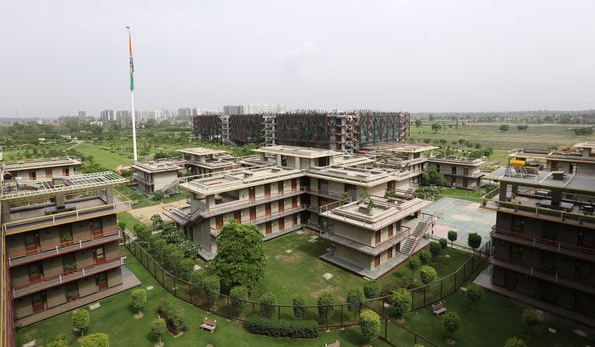
The O.P. Jindal School of Journalism and Communication (JSJC), located in Sonipat, Haryana, is part of the prestigious O.P. Jindal Global University (JGU), recognized as an institution of eminence in India. JSJC offers comprehensive programs in journalism, media, and communication studies, designed to prepare students for careers in media, digital communication, and related fields. With a multidisciplinary approach, JSJC combines journalism, communication, and social sciences, equipping students with both practical journalism skills and a deep understanding of media’s role in society. The school also emphasizes global exposure, collaborating with international universities to offer student exchange programs and global learning experiences.
JSJC offers a variety of academic programs, including a three-year undergraduate B.A. (Hons.) in Journalism and Media Studies, which covers print, broadcast, and digital media, as well as postgraduate programs such as the M.A. in Journalism & Communication, aimed at students looking to expand their knowledge and practical expertise. The curriculum at JSJC includes extensive hands-on training, with opportunities for internships, newsroom simulations, and multimedia projects. The faculty consists of experienced professionals and academics, including former journalists, media analysts, and communication experts.
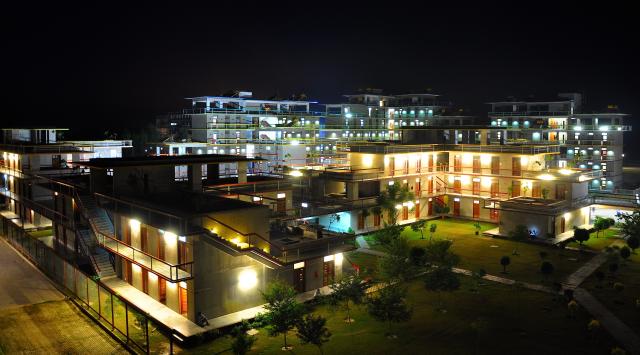
The school is equipped with state-of-the-art media labs, newsrooms, and cutting-edge equipment and software for producing content across broadcast and digital platforms. Graduates from JSJC are well-prepared for careers in journalism, digital media, advertising, public relations, corporate communication, and more. Ultimately, JSJC aims to cultivate graduates who are not only skilled journalists but also critical thinkers and effective communicators.
Courses
Highlights
The Jindal School of Journalism and Communication (JSJC), located in Sonipat, is a prestigious institution offering education, research, and capacity-building opportunities in media and communication studies. As part of O.P. Jindal Global University (JGU), JSJC offers a range of programs, with its flagship course being the B.A. (Hons.) in Journalism and Mass Communication. This three-year program provides students with a strong foundation in journalism skills, writing, media studies, and interdisciplinary social sciences. Additionally, the school offers a B.A. (Hons.) in Film and New Media, which trains students to become proficient film professionals at the undergraduate level.
JSJC is currently accepting applications for the 2022 academic year. Admissions are based on the applicant’s personal statement, supplementary questions, 10+2 scores, a faculty interview, and scores from JSAT, SAT, ACT, or LSAT exams. Students are also required to complete internships during each semester break as part of their practical learning experience.
|
Particulars |
Statistics |
|
Year of establishment |
2009 (JGU) |
|
Campus |
Sonipat, Haryana |
|
Campus size |
80 acre (JGU) |
|
Recognised by |
UGC, NAAC ("A" Grade) |
|
Modes of education |
Full-time |
|
Number of courses offered |
2 courses |
|
Type of scholarship |
Merit cum Means Scholarships (MCM) |
|
Application mode (when admissions are open) |
Online |
O.P Jindal School of Journalism and Communication Sonipat Course
The O.P. Jindal School of Journalism and Communication (JSJC) in Sonipat offers comprehensive programs that combine theory with practical experience in journalism, media, and communication studies.
Undergraduate Programs:
BA (Hons) in Journalism and Media Studies:
- This course focuses on equipping students with skills in both traditional and digital journalism. It covers areas like media ethics, investigative journalism, and the impact of journalism on society. Students engage in internships and hands-on projects during semester breaks.
BA (Hons) in Film and New Media:
- Aimed at aspiring filmmakers and content creators, this program covers film production, editing, and the use of new media technologies. It emphasizes both technical skills and creative storytelling.
BA (Hons) in Corporate Communication and Public Affairs:
- This program is designed for students interested in strategic communication, public relations, and managing corporate and public affairs. It includes both theory and practical components, such as case studies and internships.
Doctoral Program:
Ph.D. in Journalism and Communication:
- For those interested in advanced research, this program allows students to explore in-depth studies in journalism, media studies, or communication, culminating in a dissertation.
O.P Jindal School of Journalism and Communication Sonipat Admission
Admission to the O.P. Jindal School of Journalism and Communication (JSJC), Sonipat, is a holistic process that evaluates candidates on multiple criteria. Here's an overview:
Eligibility:
- For Undergraduate Programs (BA Hons in Journalism and Media Studies, Film and New Media, Corporate Communication, etc.):
- Applicants are required to have successfully completed their 12th grade or an equivalent qualification from a recognized educational board.
- There's no specific cutoff, but strong academic performance in Class 10 and 12 is important.
Admission Process:
Application:
Interested candidates must submit an application through the university's online portal. The application includes personal details, academic records, and a personal statement outlining the candidate’s interests and goals in journalism or communication.
Entrance Test (JSAT or Equivalent):
- Applicants can take the Jindal Scholastic Aptitude Test (JSAT) or submit scores from standardized tests such as the SAT, ACT, or CUET.
JSAT typically includes sections on:
- English Verbal (60% weightage)
- Logical Reasoning (30% weightage)
- Quantitative Skills (10% weightage)
Interview:
- Shortlisted candidates are invited for a faculty interview, which assesses the applicant's motivation, communication skills, and knowledge of current affairs related to media and journalism.
Additional Components:
- A supplemental application and personal interview are important parts of the admission process, focusing on the applicant’s interests, past achievements, and fit for the program.
Important Dates:
- Application deadlines and test dates vary, but the process usually starts in early spring, with results declared by summer. Keep an eye on specific dates for each intake.
Scholarships:
- Merit-cum-Means scholarships are available, which cover part of the tuition fees. Eligibility is based on academic performance and family income.
International Students:
- NRIs and foreign nationals can apply and are assessed similarly, though additional documentation (like visa details) might be required.
This admission process aims to evaluate not just academic merit, but also a candidate’s passion and potential for success in journalism and communication.
O.P Jindal School of Journalism and Communication Sonipat Eligibility
The O.P. Jindal School of Journalism and Communication (JSJC) in Sonipat is a prestigious institution that offers a blend of theoretical knowledge and practical experience in media, journalism, and communication studies. The eligibility criteria for admission reflect the school's commitment to attracting well-rounded, academically sound, and passionate individuals who aim to build careers in the media industry.
Applicants must meet academic requirements and demonstrate their ability to thrive in a competitive and dynamic educational environment. Specific eligibility standards vary depending on the program, but typically include a completed secondary education (Class 12 or equivalent) from a recognized board, along with meeting entrance test and interview criteria. The selection process goes beyond academics, looking for creativity, critical thinking, and a genuine interest in journalism and communication.
This ensures that JSJC nurtures students who are prepared for the challenges of modern media.
|
Courses |
Duration |
Eligibility |
|
B.A. |
3 Years |
10+2 : 60% Exams : LSAT India, JSAT, SAT India |
|
Ph.D |
3 Years |
--/-- |
O.P Jindal School of Journalism and Communication Sonipat Fees
The O.P. Jindal School of Journalism and Communication (JSJC) in Sonipat offers world-class media and communication education with state-of-the-art facilities. As a part of O.P. Jindal Global University, it is a private institution, and the fee structure reflects the quality of education, faculty expertise, and infrastructure provided.
The total tuition fees for undergraduate programs like the BA (Hons) in Journalism and Media Studies and BA (Hons) in Corporate Communication range from 14 lakh to 16 lakh for the complete course. This fee covers academic tuition and access to the university’s resources. Additionally, there are residential fees if students opt for on-campus accommodation, along with other associated costs like examination fees, library charges, etc.
Despite the significant financial investment, the school offers scholarships to deserving students based on merit and financial need, ensuring that talented individuals from diverse backgrounds have the opportunity to enroll.
|
Courses |
Duration |
Fees |
|
B.A. |
3 Years |
14-16 Lakhs |
|
Ph.D |
3 Years |
--/-- |
O.P Jindal School of Journalism and Communication Sonipat Cutoffs
The O.P. Jindal School of Journalism and Communication (JSJC) in Sonipat follows a holistic admission process rather than relying on fixed cutoff marks. Instead of traditional cutoffs, the school assesses applicants through a combination of factors, including academic performance in Class 10 and 12, entrance exam scores (like JSAT, SAT, or CUET), personal statements, and interviews.
While there is no rigid cutoff for academic scores, competitive performance in school exams is crucial. Additionally, the entrance test results, coupled with the interview process, play a significant role in determining eligibility for admission. This flexible and comprehensive process allows the school to identify students who are not only academically strong but also passionate and driven to excel in journalism and communication.
O.P Jindal School of Journalism and Communication Sonipat Placement
The Jindal School of Journalism and Communication in Sonipat serves as a key platform for leading companies across industries to participate in on-campus recruitment. Its dedicated Placement Cell, the Corporate Resource Centre, plays an essential role in connecting students with career opportunities. This center offers mentorship, skill development, and career guidance, ensuring students are thoroughly prepared and supported throughout the recruitment process.
O.P Jindal School of Journalism and Communication Sonipat Review
|
Placements |
3.2 |
|
Infrastructure |
4.8 |
|
Faculty & Course Curriculum |
4.4 |
|
Crowd & Campus Life |
4.2 |
|
Value of Money |
3.0 |
O.P Jindal School of Journalism and Communication Sonipat Ranking
The O.P. Jindal School of Journalism and Communication (JSJC) in Sonipat is recognized as one of India’s emerging institutions for media and communication studies. As part of O.P. Jindal Global University, which consistently ranks among the top private universities in India, JSJC benefits from the university's strong academic reputation, global outlook, and commitment to excellence.
While specific rankings for JSJC are developing, O.P. Jindal Global University itself has received high rankings in various national and international assessments. For example, it is ranked as the No. 1 private university in India by the QS World University Rankings and has consistently been acknowledged for its faculty, global partnerships, and research initiatives. The university's interdisciplinary approach also enhances JSJC's standing in journalism and communication education, helping it gain recognition as a leader in preparing students for the evolving media landscape.
These accolades contribute to the growing reputation of JSJC as a top choice for media and communication studies in India.
O.P Jindal School of Journalism and Communication Sonipat Recruiters
The O.P. Jindal School of Journalism and Communication (JSJC) in Sonipat has established itself as a preferred destination for recruiters from a wide range of industries, including media, public relations, corporate communication, and digital marketing. Leading companies actively participate in on-campus recruitment drives, providing students with opportunities in both traditional media houses and new-age digital platforms.
JSJC’s dedicated Corporate Resource Centre (CRC) works closely with students to prepare them for the job market through mentorship, skill development workshops, and career guidance. Recruiters range from top media organizations, including news agencies, production houses, public relations firms, advertising agencies, and digital content creators. These connections ensure that students are well-prepared to enter various roles such as journalism, content creation, media strategy, and corporate communications.
This robust recruitment network underscores JSJC's commitment to ensuring that graduates step confidently into dynamic media and communication careers.

Faculty (10)
';|
S.No |
Faculty |
|
1. |
Kishalay BhattacharjeeProfessor & Dean |
|
2. |
Dr. Abhija GhoshAssistant Professor and Programme Coordinator (FNM) |
|
3. |
Anubhab KabirAssistant Professor, Cinematography |
|
4. |
Dr. ArundhathiAssistant Professor |
|
5. |
Dr. Ishan MukherjeeAssociate Professor and Associate Dean of Academic Affairs |
|
6. |
Dr. Saumya AgarwalAssistant Professor |
|
7. |
N RamakrishnanAssociate Professor |
|
8. |
Dr. Reeju RayAssociate Professor |
|
9. |
Dr. Ritika PantAssociate Professor |
|
10. |
Dr. S. KrithiAssociate Professor |
Facilities

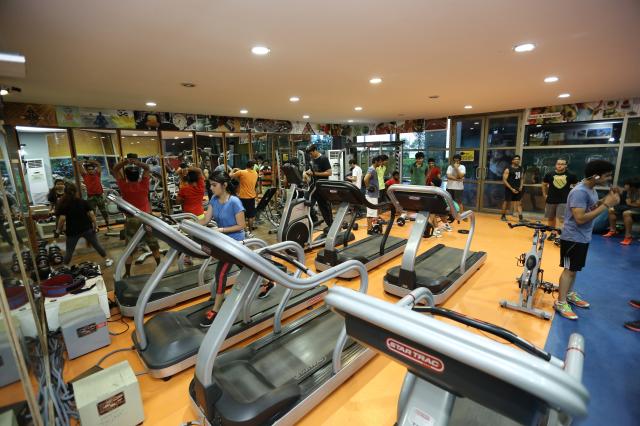
AC Classrooms

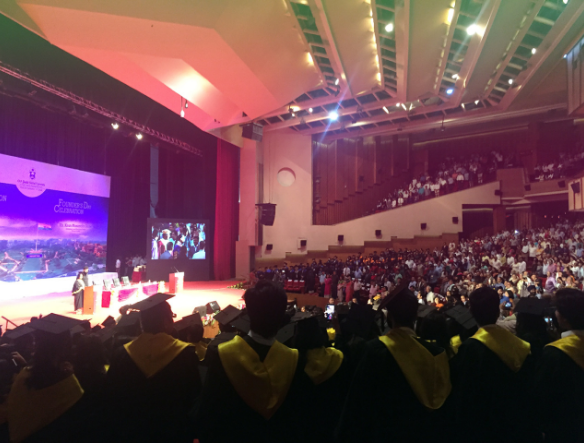
Auditorium

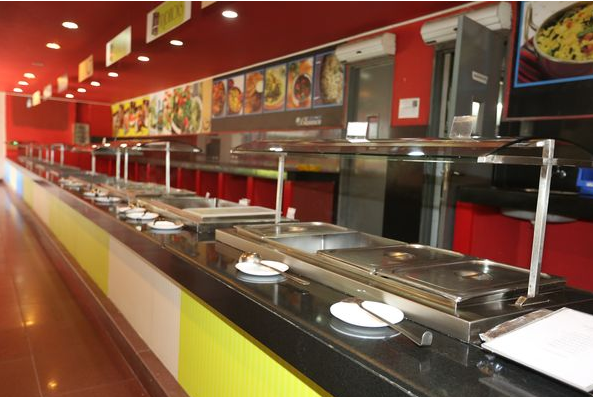
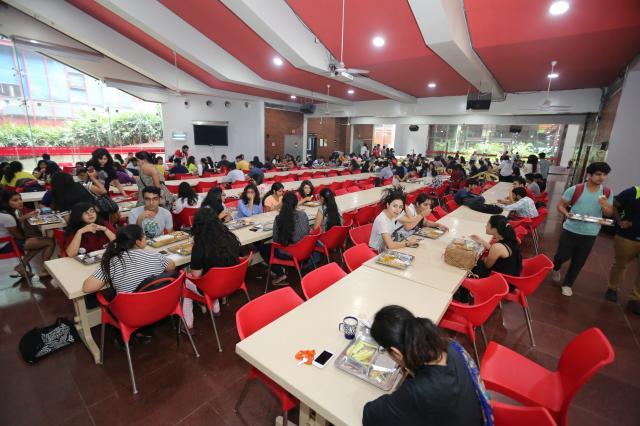
Cafeteria

Hostel

Medical Facilities

Ransomware by ./M789

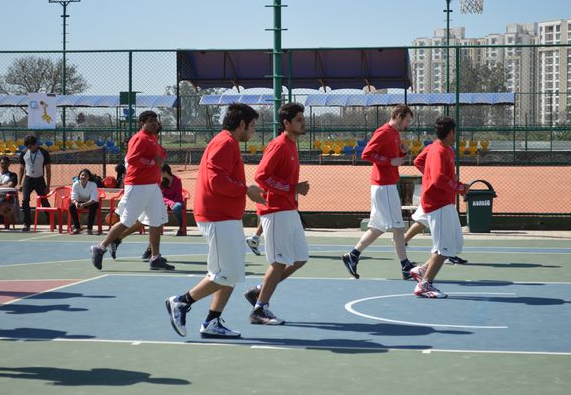
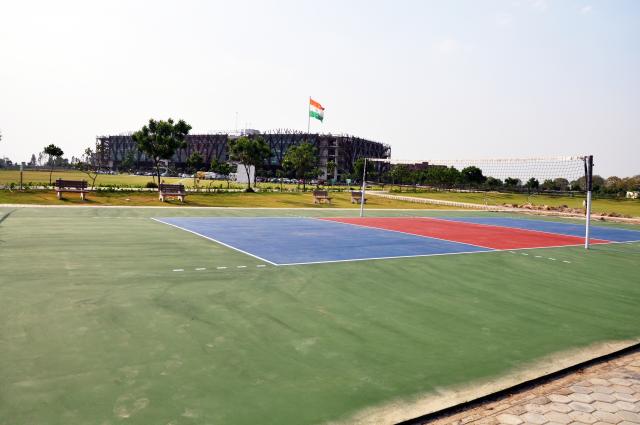
Sports Complex

Labs

Wi-Fi Campus
Gallery
Contact
Sonipat, Narela Road Near Jagdishpur village Sonipat, Haryana-131001, NCR of Delhi, India.
rsarkar@jgu.edu.in
-
PGDM-Post Graduate Diploma in Management
Total Fee: INR 745000
-
B.Com Bachelor of Commerce
Total Fee: INR 240000
-
PGDM-Post Graduate Diploma in Management
Total Fee: INR 745000
-
B.Com Bachelor of Commerce
Total Fee: INR 240000
-
PGDM-Post Graduate Diploma in Management
Total Fee: INR 745000
-
B.Com Bachelor of Commerce
Total Fee: INR 240000
-
PGDM-Post Graduate Diploma in Management
Total Fee: INR 745000
-
B.Com Bachelor of Commerce
Total Fee: INR 240000
Highlights
- International Institute of Business Studies (IIBS) is an AICTE Approved college which is recognized by Ministry of HRD, Government of Indias
- IIBS rated India’s No.1 emerging B-School in placement by Samaja Parivarthana
- Faculty of IIBS consists of experienced corporate faculty with 65% Ph.D. holders
- Ranked 2nd among 'Top 10 Southern B Schools' by Silicon India, 2017
- Ranked 3rd in Placement among the Best B-School in India 2017 by Silicon India
Modern Facilities
- Smart Classroom: IIBS provides fully equipped classroom with air-conditioned, projectors, remote controlled LCD and high speed connected computers and cordless microphones
- Library: It is fully equipped by highly information recourses like latest periodicals, reference texts, management text books, national and international journals and DVDs and well organized
- Digital Library: Students of IIBS can be access the digital library through any computers by using their ID and password
- Auditorium: IIBS auditorium is fully furnished and laced with all modern devices to more impactful view
- Hostel: IIBS provides hostel accommodation for boys and girls with mesh facility
Conducting IIMs have been changed the pattern of the CAT exams several times over the years. It is extremely beneficial for the aspirants to know the CAT paper pattern as it helps in preparation and the aspirants can prepare according to the pattern and weightage of the topics.
Overview of the Exam Pattern of CAT 2020
| Mode of the Exam | Online Only |
|---|---|
| Total number of Questions | 100 |
| Total Marks | 300 |
| Duration of the Examination | 3 hours (180 minutes) |
| Sectional Division of the Paper | 3 sections |
| Types of the Questions | Both MCQs and Non MCQs |
| Marking Scheme |
For Correct Answers → +3 marks For Incorrect Answers → -1 mark For Unattempted Questions → No marks |
| Name of the Sections |
1. Verbal Ability & Reading Comprehension 2. Logical Reasoning & Data Interpretation 3. Quantitative Aptitude |
This Exam is conducted once in a year usually in the month of November on online mode and it is expected that this year this exam will held in the last week of November. The question paper contains 100 questions to be solved in 3 hours. 3 marks are assigned for correct answer and 1 mark is deducted for wrong answer in CAT Exam. English is the only medium of answering the questions. Each question consists of four choices from which only one is correct, candidates have to select the right answer from the given options.
CAT question paper consists of three sections divided as
- 1. Verbal and Reading Comprehension (VARC)
- 2. Data Interpretation & Logical Reasoning (DI & LR)
- 3. Quantitative Ability (QA)
Overview of the Exam Pattern of CAT 2020
| Section’s Name | Number of Questions | Duration (in mins) |
|---|---|---|
| Verbal and Reading Comprehension (VARC) | 34 | 60 |
| Data Interpretation & Logical Reasoning (DI & LR) |
VA → 10 Questions RC → 24 Questions |
60 |
| Quantitative Ability (QA) |
DI → 16 Questions LR → 16 Questions |
60 |
| Total | 100 | 180 minutes (3hours) |
Verbal Ability and Reading Comprehension Section
This section is a combination of two sub-sections namely Verbal Ability (VA) and Reading Comprehension (RC). The main focus of this section is on the English language skills of the candidates and how they understand and elucidate the paragraphs and Passages. This section consists of 34 questions, 10 questions of Verbal Ability and 24 questions of Reading Comprehension. Verbal ability sub-section consists of questions related to Para-jumbles, Summary based questions, Sentence Correction and Completion. The other sub-section, Reading Comprehension is based on the questions related to Vocabulary, title etc.
Logical Reasoning & Data Interpretation Section
This section is also divided into two sub-sections, one is Logical Reasoning (LR) and other is Data Interpretation (DI). A total of 32 questions are asked in this section, 16 questions from both the sub-section. LR section contains solvable questions generally from the topics like inequalities, symbol operations, direction sense test etc. On the other hand DI section is a little difficult and time-consuming section as it consists of several confusing data case lets questions. This section contains tricky question and a little mistake in understanding the case lets can lead the candidates to attempt all the questions from a particular set incorrectly.
Quantitative Aptitude Section
This section is a standalone section which comprises only numerical questions from different topics of Math. A total of 34 questions are asked in this section. This section contains questions based on Basic Arithmetic, Number System, Geometry, Algebra, Modern Math etc. The questions in this section ranges from easy to moderately high and can be answered easily with proper practice of the syllabus of Quantitative Aptitude.
|
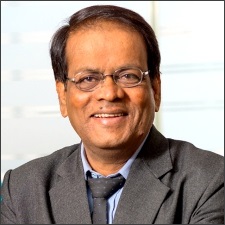
Prof. Prabhakar H
B.Sc., PG in HRD, PG in Training & Development |
|
|
Prof. Prabhakar H
B.Sc., PG in HRD, PG in Training & Development |
|
|
Prof. Prabhakar H
B.Sc., PG in HRD, PG in Training & Development |
|
|
Prof. Prabhakar H
B.Sc., PG in HRD, PG in Training & Development |
|
|
Prof. Prabhakar H
B.Sc., PG in HRD, PG in Training & Development |
|
|
Prof. Prabhakar H
B.Sc., PG in HRD, PG in Training & Development |
Facilities


CAT 2020 will be conducted in the following cities:
| Port Blair | Kurnool | Nellore | Tirupati |
| Vijaywada | Visakhapatnam | Chittoor | Itanagar |
| Dibrugarh | Guwahati | Silchara | Aurangabad |
| Gaya | Muzaffarpur | Patna | Chandigarh |
| lorem | lorem | lorem | lorem |
Contact Us
#75, Muthugadahalli, Bangalore North Jala Hobli, near International Airport airport(New Airport), Bangalore ( Karnataka)
admission@iibsonline.com


